Leak Testing

Leak Testing Under

Real-World Operating Conditions

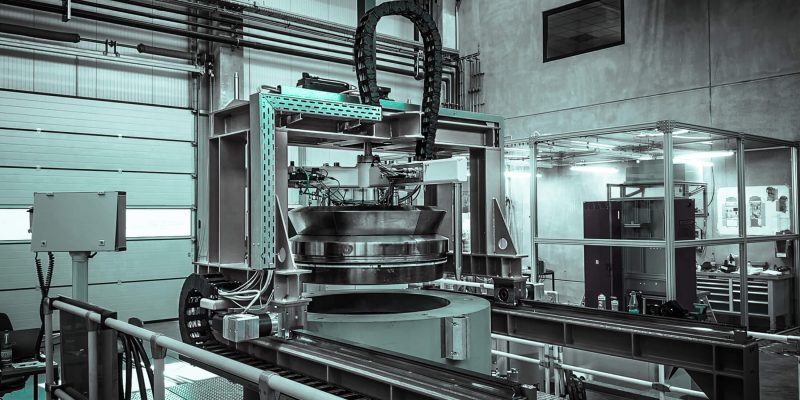
Customized test systems for evaluating the load-bearing capacity, safety, and structural behavior of components.

10 -10 Mbar*ltr/sec

Leak rate

Leak Tightness as a Quality Standard

In safety-critical systems, leaking components not only lead to immediate functional failures but also jeopardize overall operational safety. Without a validated leak test, it is virtually impossible to guarantee the long-term durability of components under load. A defined quality standard can therefore only be achieved through precise testing procedures to ensure the seamless integrity of high-quality products.

aprotec_content_dichtheitspruefung

Leak testing tailored to the component and test objective

Leak tests are designed according to component requirements, test conditions, and process flows. Test parameters and additional functions are individually adapted to the respective application.

  • Selection of appropriate test pressures and test gases
  • Determination of degree of automation

  • Integration of test leaks for system verification
  • Integration of gas recovery systems as required

What Makes Leak Testing Challenging:

Leak limits determine quality

We do not define leak rates as general values, but rather precisely within the functional limit range.

Speed without precision is worthless

We optimize test speeds for minimal cycle time while maintaining reproducible accuracy.

A test gas must reflect real-world conditions

We select the medium and concentration so that real-world operating conditions are reliably simulated.

Leak Test Procedure

Different methods are used depending on the specific application. We would be happy to advise you on which methods are best suited for your application.

Helium Leak Testing

When the highest precision is required for leak detection, we rely on helium leak testing. This method is indispensable for safety- and function-critical components such as fittings, valves, heat exchangers, piping systems, and components in energy and process engineering.
Unlike conventional pressure testing methods, using helium as the test gas allows us to detect low leak rates that would otherwise be undetectable. This enables us to identify even the smallest leaks at an early stage. This prevents efficiency losses, leakage of media, safety risks, and costly plant downtime.
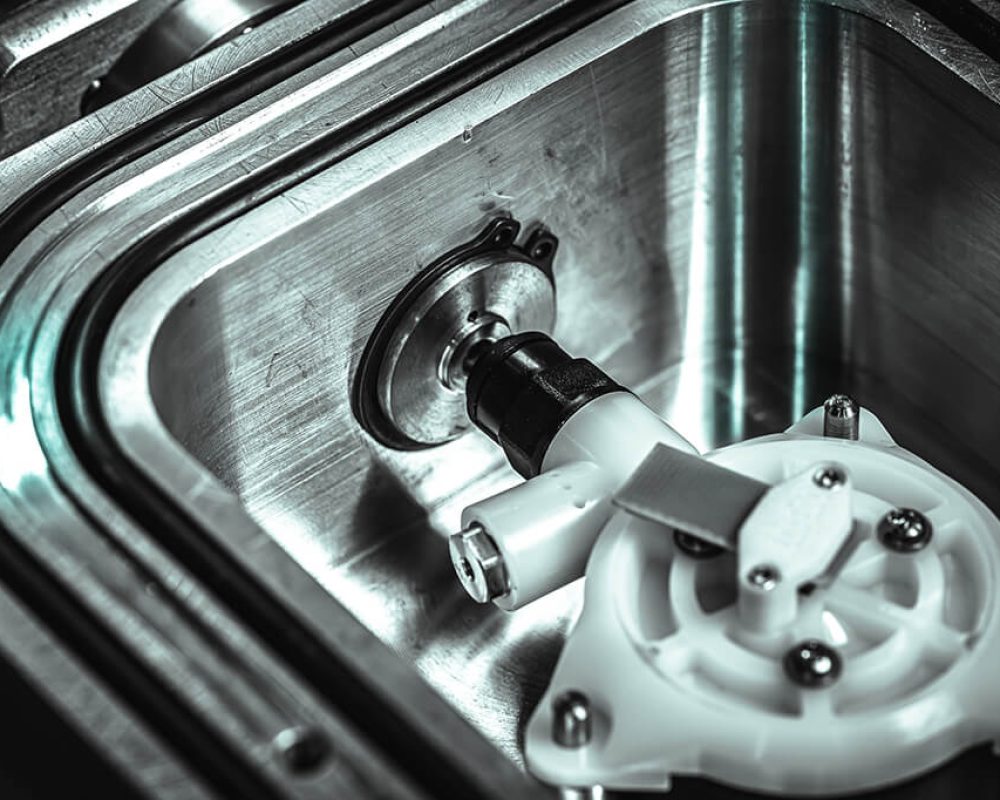

Pressure drop and pressure rise testing is a proven method for the cost-effective leak testing of components and assemblies. The test part is subjected to a defined pressure, and any changes in pressure are then precisely monitored over a specified period of time. Even slight changes in pressure reliably indicate leaks.
This method is ideal for hydraulic and pneumatic components, screw connections, pressure vessels, cooling systems, piping, housings, or welded assemblies. It provides a reliable and cost-effective leak test when the high standards of a helium leak test are not required.

Discover success stories relating to inspection and test systems

Find out how companies use aprotec’s testing and inspection systems to ensure the quality of their components and reliably validate their processes. These real-world examples demonstrate how specific requirements are met and test procedures are designed efficiently – let them inspire you in your own projects.

Industry Solutions

We Develop Solutions Tailored to Your Industry

Download our brochure

Get Expert Advice

Do you have questions or are you unsure which system is the right fit for your requirements? No problem. We are happy to advise you personally and work with you to find the ideal solution for your application. Benefit from our years of experience, an honest assessment, and professional guidance — tailored to your needs and with no obligation.

Contact person

Michael Landgraf

Managing Director